A fact-grounded knowledge graph that covers code and business information together
It keeps only source-grounded facts: no dead code and no unshipped plans.
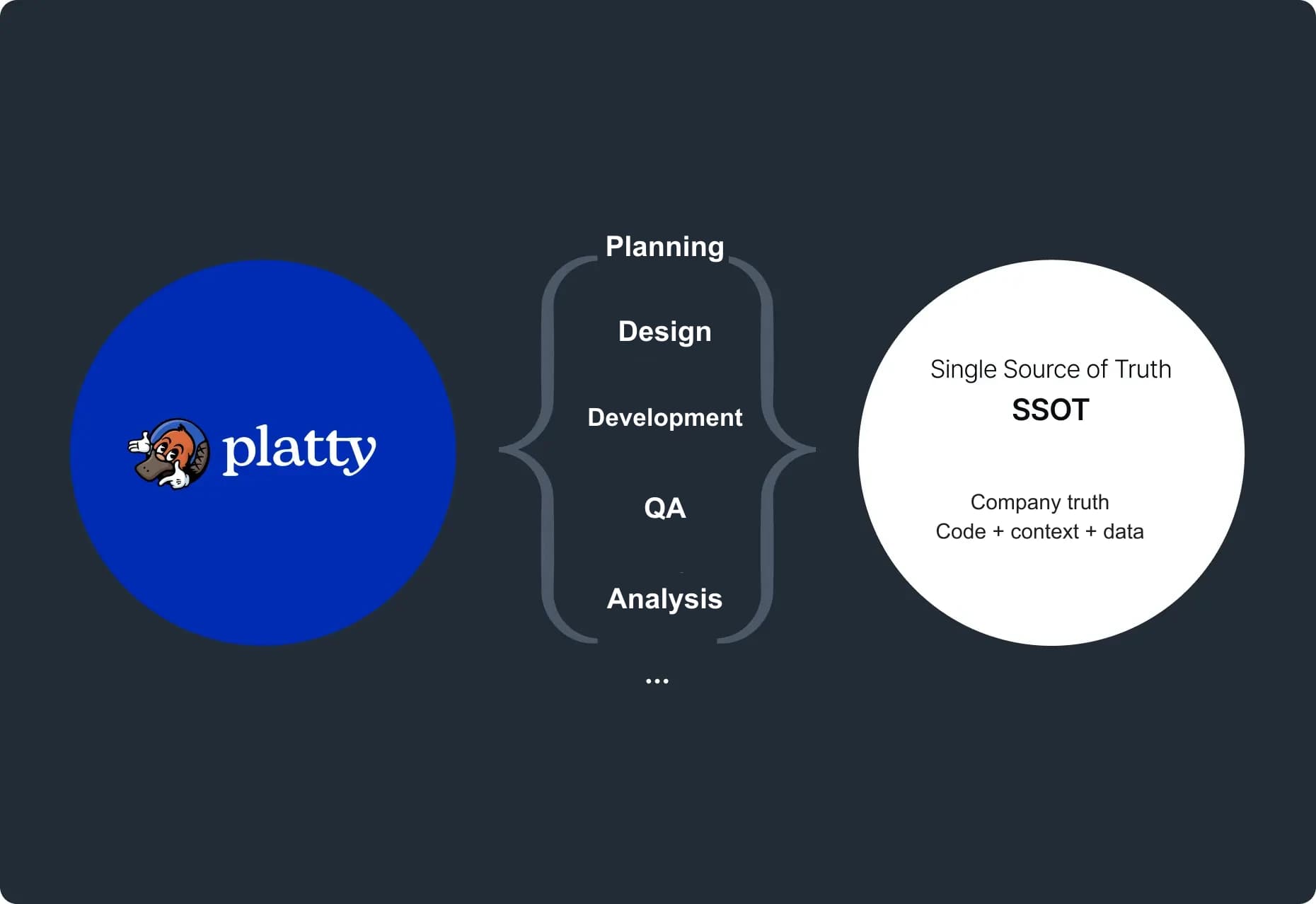
Use it as a single source of truth when assigning work to AI agents.
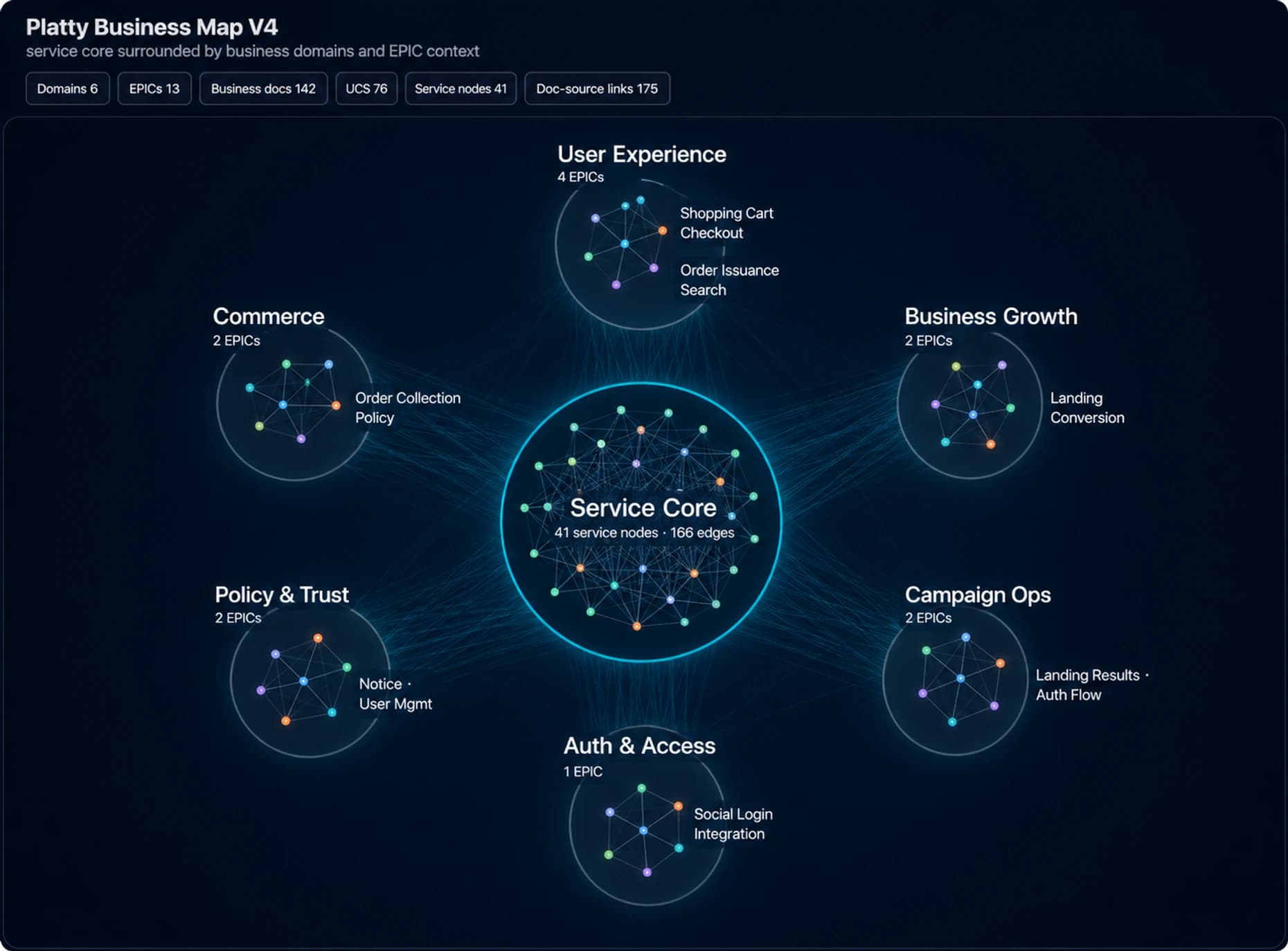


Are you explaining your work context again every time you ask AI to help?
Are you building a private knowledge graph that is too complex to share with your team?
Try Platty.
One click creates a work knowledge graph that keeps evolving with your code.
It keeps only source-grounded facts: no dead code and no unshipped plans.
Use it as a single source of truth when assigning work to AI agents.
Ask questions like a teammate would, and Platty helps AI understand the product context behind them.
It understands your codebase, conventions, and legacy patterns so agents can write code that fits.
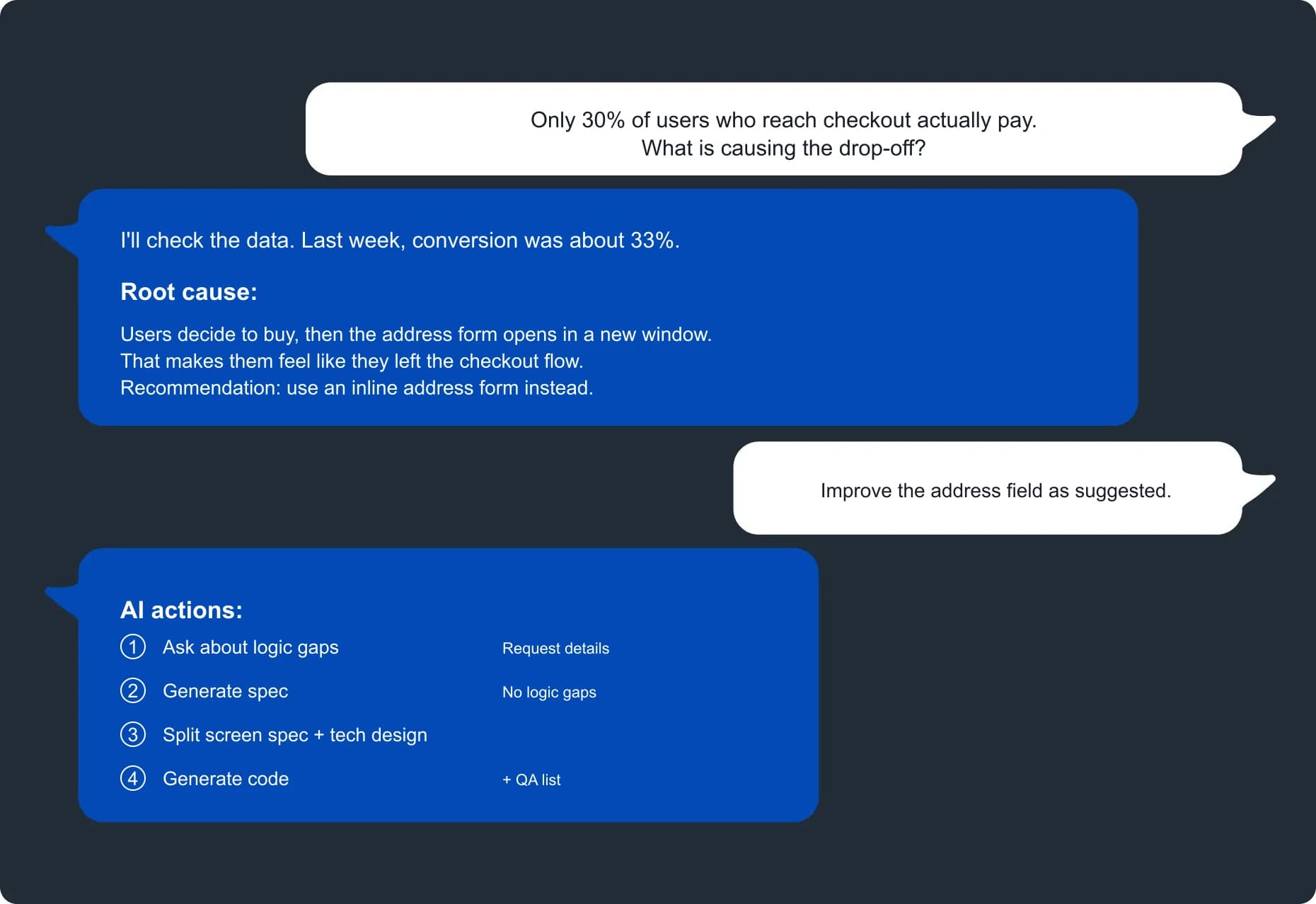
Give AI agents the company context they need to understand day-to-day work.
Give AI agents the engineering context they need to respect code structure, conventions, and constraints.
Automate planning, technical design, coding, and QA workflows with stronger agent context.
No ontology work is required. In a few hours, Platty can build a code graph that understands the current service.
When code changes, the graph changes too. Facts validated through AI conversations accumulate on top of the graph.
Handoffs are easier because Platty preserves company knowledge as the product evolves.
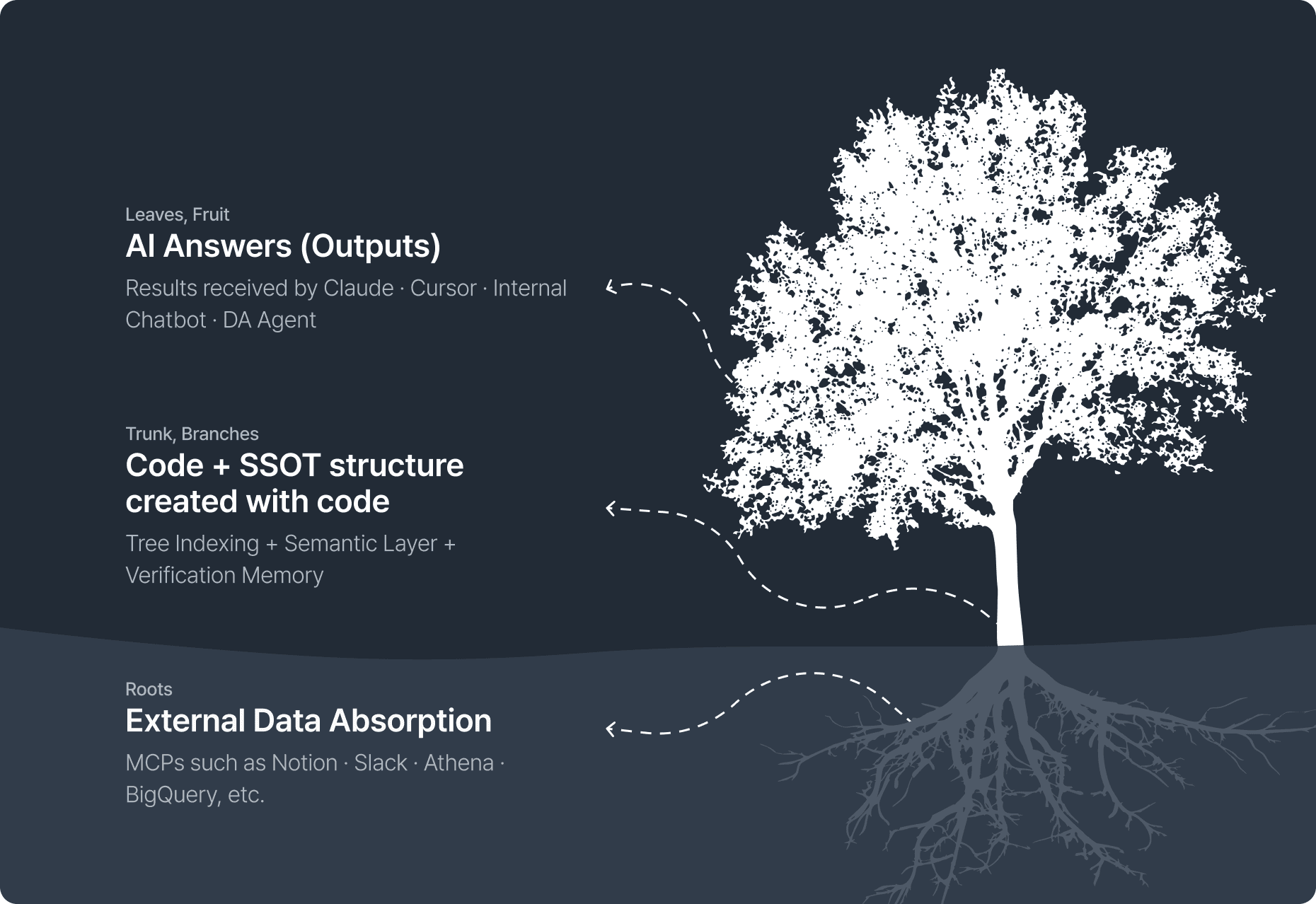
How it is built
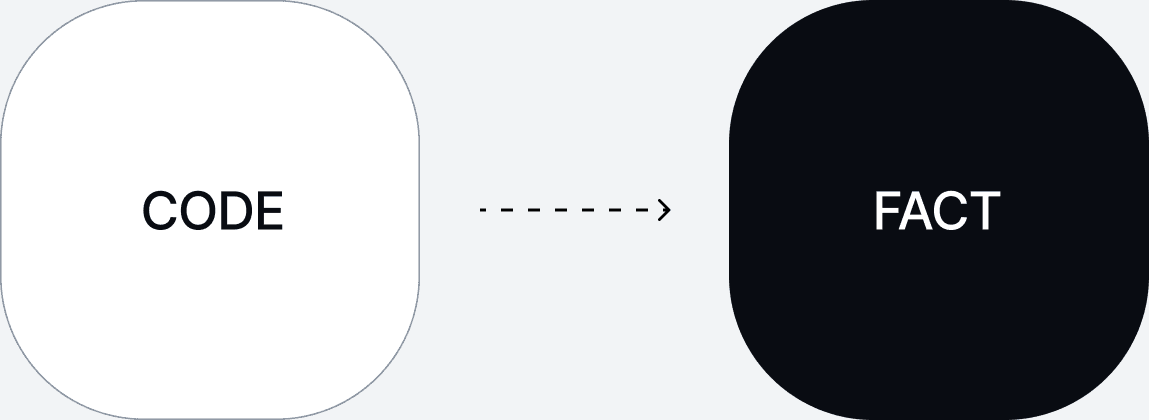
It has a much lower error surface than LLM-generated RAG.
Because it uses only live code, it reflects the current service state.
Analysis runs locally, so source code does not need to leave your environment.
The business view captures user experience, service logic, and product terminology.
The engineering view links screens to APIs, features, and databases.
The result is a graph that connects product, business, and engineering context.
If a Notion or Slack claim does not match the code graph, Platty treats it as unverified.
Verified facts accumulate in storage connected to the code graph.
Contact us to discuss team adoption.